
Why Feedback Fails Before the Words Even Land
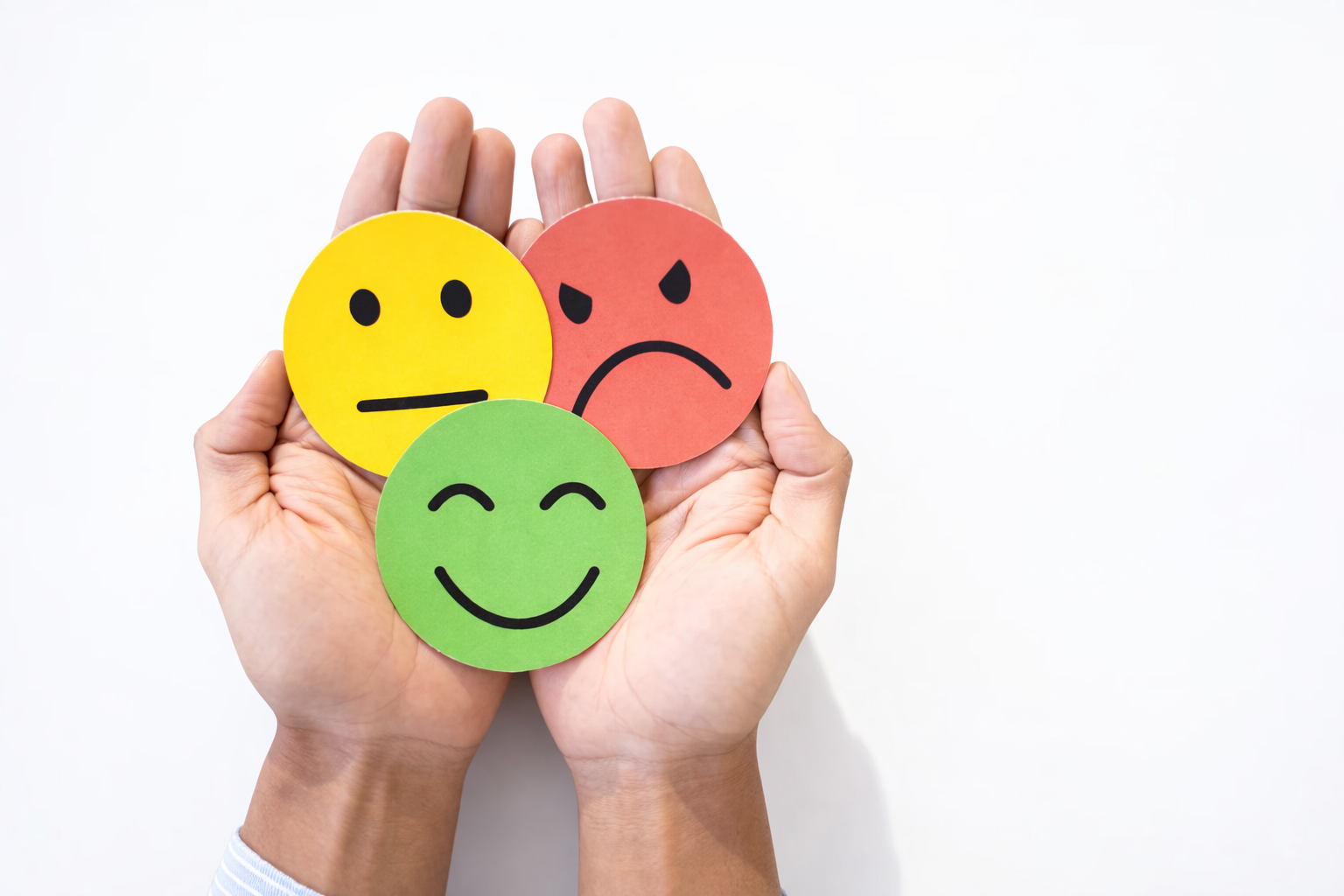
Most feedback does not fail because it is inaccurate. It fails because the tone tells a different story than the words.
You can say something reasonable, helpful, even necessary, and still trigger defensiveness, shutdown, or resentment. Not because the feedback was wrong, but because the delivery signaled threat instead of respect.
Tone is not a cosmetic layer on communication. It is the emotional frame through which feedback is interpreted.
Once that frame is set, the message rarely survives intact.

Feedback Is an Emotional Event, Not a Logical One
We like to believe people receive feedback rationally. They do not.
Before the content of feedback is processed, the nervous system asks a faster question: Am I safe right now?
Tone answers that question instantly.
A clipped voice, rushed pacing, or cold phrasing can activate defensiveness before the listener consciously registers the words. At that point, feedback becomes something to endure or fight, not something to use.
This is why two people can say the same sentence, “This needs revision,” and get completely different outcomes.
Why Being Direct Often Backfires
Many people pride themselves on being direct, but what they are often being is emotionally careless.
Directness without warmth communicates hierarchy, impatience, or disappointment, even when that is not the intention. The listener does not hear clarity. They hear judgement.
On the other end of the spectrum, overly softened feedback creates confusion. When tone tries so hard to avoid discomfort that the message disappears, trust erodes in a different way.
The goal is not softness or sharpness. It is steadiness.
The Three Tonal Errors That Break Trust
1. Compressed Tone
Feedback delivered quickly, tightly, or without emotional space feels like a verdict, not a conversation.
2. Flat Tone
Monotone delivery strips feedback of humanity. Without emotional cues, even neutral statements feel cold or dismissive.
3. Overcompensating Tone
Excessive reassurance or sugarcoating signals discomfort with honesty, and people sense it immediately.
Each mistake sends an unintended message. This is not safe. This is not genuine. This is not clear.
What Effective Tone Actually Sounds Like
Strong feedback does not avoid discomfort. It contains it.
Effective tone communicates three things at once:
I see you
I am invested in the outcome
We are on the same side of the problem
This is why collaborative language works so well:
“Let’s look at how this could land more clearly.”
“Here is where I think this could be stronger.”
Not because it is polite, but because it preserves dignity while addressing reality.

Tone Is Not Just Vocal. It Is Behavioral
People do not just listen to your voice. They read pauses, facial expressions, posture, and timing.
A sigh, a glance away, or a rushed delivery can undercut even carefully chosen words. Tone must be aligned across voice, body, and pacing or it registers as insincere.
In written feedback, this challenge intensifies. Without vocal cues, brevity can sound harsh and neutrality can sound cold. Small signals of effort and acknowledgment matter more than people realize.
Why Consistent Tone Builds Long Term Safety
People remember how feedback felt long after they forget the specifics.
When tone consistently signals respect, feedback stops being something people brace for. It becomes something they expect to survive and eventually something they trust.
That trust compounds. Each well handled moment makes the next one easier.
The Real Goal of Feedback
Feedback is not about correction. It is about keeping communication open under strain. Tone determines whether feedback becomes a bridge or a barrier. It determines whether it leads to growth or quiet disengagement.
Before asking whether your feedback is accurate, ask a harder question: Does my tone make it possible to hear at all? If the tone fails, the message never had a chance.
